
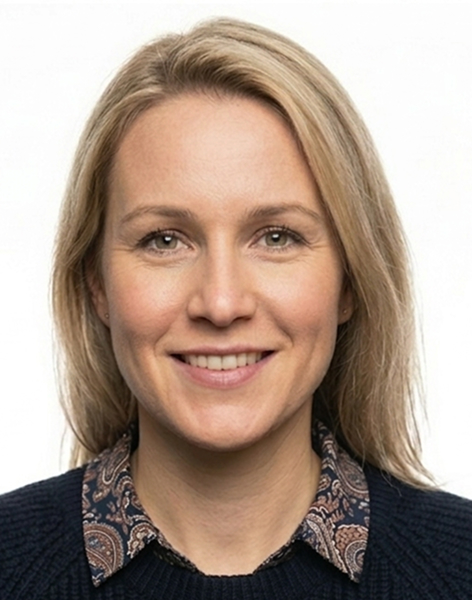

The rule: November 2016 to present
Source: US Department of State, travel.state.gov. The primary source states: "You are not wearing glasses." This appears as an explicit requirement with a rejection example on the main passport photo requirements page.
The State Department primary source shows three rejection examples for eyewear:
- "You are wearing glasses."
- "Your glasses are resting on your head. Take off your glasses and make sure they are not resting on your head."
The rule was implemented to improve the reliability of automated biometric facial recognition systems used at border checkpoints and airports. Eyeglass lenses create glare, refract light around the eyes, cast shadows from frames, and alter the apparent geometry of the face in ways that reduce the accuracy of facial matching algorithms. Removing glasses eliminates all of these variables simultaneously.
No glasses since 2016 — our checker flags this automatically.
Create your compliant US passport photo →Every type of eyewear: what is and is not permitted
Eyewear type | Status | Notes Prescription glasses | Not permitted | Remove for the photo regardless of prescription strength or lens type. Reading glasses | Not permitted | Reading difficulty is not a medical exception. Remove for the photo. Sunglasses | Not permitted | Any tint or UV coating that affects lens appearance. Tinted lenses | Not permitted | Any coloration in the lens, however slight. Transition / photochromic lenses | Not permitted | Even when appearing clear indoors. See transition lens section below. Blue light blocking glasses | Not permitted | Yellow or amber tint on lenses counts as tinted. Decorative or fashion frames (no lenses) | Not permitted | Frames without lenses still alter facial geometry around the eyes. Sports glasses or goggles | Not permitted | All frame types are included in the ban. Medical exception glasses | Permitted with documentation | Physician statement required. Photo must still meet all technical standards. Eye patches (medical) | Permitted with documentation | Signed physician statement required explaining medical necessity. Glasses on top of head | Not permitted | Specific rejection example in State Dept primary source. Hearing aids | Permitted | Explicitly permitted. "Hearing devices may be worn in your photo." Wireless earbuds / AirPods | Not permitted | Explicitly excluded by State Dept.
Glasses on the head: the overlooked rejection cause
This specific failure mode is documented in the State Department primary source and is absent from most competing guides. Many people remove glasses from their face for the photo but leave them pushed up on their forehead or on top of their head. Both cause rejection.
The State Department's photo requirements page shows this as an explicit rejection example: "Your glasses are resting on your head. Take off your glasses and make sure they are not resting on your head."
The reason is the same as for glasses on the face: even partially visible frames alter the apparent structure of the head and can interfere with the biometric geometry measurements. Glasses hanging around the neck on a lanyard or reading glasses hanging on the collar are also potentially in the frame.
Before taking the photo: remove glasses entirely and set them on a table or in a case. Do not push them to the top of your head. Do not hang them on your collar. Remove them from the frame before pressing the shutter.
The transition lens problem
Transition lenses (also called photochromic lenses) darken automatically in sunlight and appear clear indoors. Many wearers assume that because the lenses look clear in indoor lighting, they will photograph as plain clear glass. This assumption is often wrong.
Photochromic lenses do not return to their completely untinted state instantaneously when moving from bright light to indoor lighting. Depending on the lens generation and how recently the wearer was outdoors, there may be a residual tint visible to the camera sensor even when the lenses appear clear to the eye. The automated biometric checker is sensitive to lens tinting that is effectively invisible in normal perception.
The State Department's guidance covers all "tinted lenses" without distinguishing between always-tinted and photochromic lenses. The safest interpretation — and the one most acceptance agents apply — is that transition lenses must be removed regardless of their apparent state at the time of the photo.
If you wear transition lenses and have the medical exception, use a separate pair of plain clear-lens (non-photochromic) glasses for the photo rather than your transition lenses.
Why glasses are banned: the biometric rationale
Modern passports contain an embedded chip that stores a biometric template of the holder's face, generated from the passport photo at time of issue. At border crossings, the biometric system compares the chip template against a live camera capture of the traveller's face.
Eyeglass frames physically alter the visible face geometry around the eye region — the single most biometrically significant area of the face. The iris, sclera, and the spatial relationship between the eyes are the primary biometric identifiers. Frames reduce the visible area of each of these. Lens glare obscures the iris. Lens refraction subtly shifts the apparent position of the eye.
Removing glasses eliminates all of these variables. This is why the ban is comprehensive rather than conditional on lens quality or frame thickness. Even thin wire frames create a biometric variable that the system is designed to avoid.
The medical exception: what qualifies and what does not
The medical exception is narrow and specifically interpreted. It applies to conditions where glasses genuinely cannot be removed without causing harm or medical risk.
What qualifies
- Post-surgical requirements: certain eye surgeries require protective eyewear during the healing period. A surgeon's statement confirming the requirement and expected duration is the correct documentation.
- Permanent prosthetic lenses: lenses permanently attached to the eye structure rather than worn conventionally.
- Medical conditions where removal would cause immediate harm: documented by a physician with specific reference to the condition and why removal is medically contraindicated.
What does not qualify
- Poor vision or high prescription: severity of prescription does not affect the ability to remove glasses temporarily for a photo.
- Reading difficulty without glasses: removing glasses for a photo does not require reading ability.
- Light sensitivity or photophobia: the photo is taken indoors and glasses can be removed for the few seconds it takes.
- General medical conditions unrelated to glasses removal: a note from a doctor confirming any medical condition is not sufficient. The note must specifically state that glasses cannot be removed.
The physician statement requirements
The statement must:
- Be on official letterhead
- Include the physician's name, practice, and contact information
- State the specific medical condition
- Explicitly state why glasses cannot be removed for the photograph
- Be signed by the physician
A prescription slip, a letter confirming you wear glasses, or a general health certificate do not meet this requirement.
Submitting the application with a medical exception
Even with a medical exception, the photo must meet all technical requirements:
- No glare across either lens
- No shadows from frames
- No frames covering any part of the eyes
- No refraction that obscures the iris or pupil
Practical tips for the medical exception photo
Tilt the glasses slightly downward: a very slight downward tilt (1–2 degrees) reduces lens glare from overhead light without visibly distorting the frame position.
Use natural window light: overhead artificial light is the primary cause of lens glare. Natural light from a window in front of you produces the most glare-free result.
Include the physician statement: attach the signed statement to the application. Do not include it inside the photo envelope. Paperclip it to the DS-11 or DS-82 form.
Expect additional review: applications with glasses photos and medical statements are reviewed by a human examiner regardless of the automated checker result. Processing may take slightly longer.
What is permitted: hearing aids and the contrast with glasses
The State Department primary source: "If you normally wear a hearing device or similar articles, they may be worn in your photo."
This explicit permission stands in direct contrast to the glasses ban and helps clarify the logic of the rule. The distinction is not between visible and invisible accessories, or between medical and non-medical items. The distinction is between items that interfere with facial biometric geometry (glasses, which affect the eye region) and items that do not (hearing aids, which do not affect the facial geometry measured by biometric systems).
Item | Status | Why Prescription glasses | Not permitted | Alter eye-region geometry, create glare, refract light. Sunglasses / tinted lenses | Not permitted | Obstruct the eyes entirely. Transition lenses | Not permitted | Treated as tinted regardless of apparent state. Hearing aids (in-ear) | Permitted | Do not affect facial biometric geometry. Explicitly approved. Cochlear implant processor | Permitted | Worn for medical hearing reasons. Explicitly covered. Wireless earbuds / AirPods | Not permitted | Discretionary audio device. Explicitly excluded. Headphones | Not permitted | Explicitly listed as prohibited by State Dept. Bluetooth earpiece | Not permitted | Wireless hands-free device. Explicitly excluded. Plain clear contact lenses | Permitted | Not glasses; do not affect facial geometry. Permitted. Coloured / cosmetic contact lenses | Not permitted | Alter iris appearance, a primary biometric identifier.
What happens if you submit a photo with glasses and no medical statement
The application is put on hold. The State Department will notify you that the photo is unacceptable and request a new, compliant photograph. The application does not progress until a replacement photo without glasses (or with glasses and a valid physician statement) is received.
This adds approximately 2 to 4 weeks to total processing time. The application fee is not automatically refunded for a photo rejection. You are not required to resubmit the entire application package — only the replacement photo.
If you have a travel deadline approaching and your application is on hold for a photo rejection, contact the State Department Passport Adviceline (1-877-487-2778) as soon as you receive the rejection notice. In urgent cases they can sometimes expedite review of a resubmitted photo.
Appearance without glasses and border control
Many people who wear glasses every day are concerned about how a passport photo without glasses will look, and whether they will be recognised at a border crossing.
The biometric template stored in the passport chip is generated from the passport photo. At a border crossing, the live camera comparison is also made without glasses. The biometric match is made between the chip template and the current live face — not between the photo and any previous appearance. If your face is recognisably yours without glasses in the photo, the biometric match will work correctly.
Millions of passport holders wear glasses every day and have passport photos taken without them. The photo does not need to look exactly like you do in daily life. It needs to accurately represent your face for biometric measurement purposes.
Ready to create your passport photo?
Get a compliant passport photo in minutes. AI-verified. 100% acceptance guarantee or your money back.
Why Choose PassportApp?
Ready in 2 Minutes
AI processing delivers your compliant photo instantly — no booth queues.
Money Back Guarantee
Full refund if your application is rejected due to the photo.
Compliance Verified
Every photo is checked against official requirements before download.
Frequently Asked Questions
No. The US Department of State has prohibited glasses in passport photos since November 1, 2016. This applies to all eyewear: prescription glasses, reading glasses, sunglasses, tinted lenses, transition lenses, and decorative frames. The only exception is a documented medical condition that prevents removal of glasses, which requires a signed statement from a licensed physician submitted with the passport application.
The medical exception applies to conditions where glasses genuinely cannot be removed: certain post-surgical requirements after eye procedures, permanent prosthetic lenses attached to the eye, or other documented medical conditions where removal would cause harm. General poor vision, reading difficulty, and light sensitivity do not qualify. The physician statement must specifically explain why the glasses cannot be removed, not simply confirm that you wear them.
No. The State Department's primary source specifically shows this as a rejection cause: "Your glasses are resting on your head. Take off your glasses and make sure they are not resting on your head." Glasses pushed up on the forehead, on top of the head, or hanging around the neck are all grounds for rejection. Glasses must be completely removed from the photo.
Yes. The State Department explicitly states: "If you normally wear a hearing device or similar articles, they may be worn in your photo." Hearing aids, cochlear implant processors, and similar medical hearing devices are permitted. What is not permitted: wireless earbuds, AirPods, Bluetooth earpieces, and headphones of any kind.
Your application will be put on hold. The State Department will notify you that the photo is unacceptable and ask you to submit a new photo without glasses. Processing resumes only after a compliant replacement photo is received. This typically adds 2 to 4 weeks to total processing time. The application fee is not automatically refunded for a photo rejection.
No. Transition lenses are treated as tinted lenses regardless of their apparent state at the time of the photo. Even when appearing clear indoors, photochromic lenses have residual tinting properties that the automated checker can detect. Remove transition lenses for the photo the same as you would tinted sunglasses.
The 2016 ban was implemented to improve the reliability of automated biometric facial recognition. Eyeglass frames alter the visible facial geometry around the eye region, the primary biometric identifier. Lens glare obscures the iris. Frame shadows alter the face outline. Removing glasses eliminates all of these variables and produces a more accurate biometric template for border crossing comparisons.
Yes. Plain clear contact lenses are permitted. Coloured or cosmetically tinted contact lenses that change the appearance of the iris are not permitted, as they alter a primary biometric identifier. Standard clear prescription contact lenses are not glasses and are not covered by the glasses ban.
Still not permitted. The glasses ban is not conditional on lens quality, frame thickness, or anti-glare coating. Even the thinnest wire frames with the highest quality lenses must be removed. The rule is categorical, not assessed case-by-case based on the specific glasses.