Australian Baby Passport Photo (Online Alternative)
Get a compliant Australian baby passport photo meeting every DFAT requirement. Age-specific guidance, the white sheet method, countersigning explained, and near-zero rejection risk.
- DFAT 35×45mm compliant
- Relaxed rules under 3 months
- White sheet method step-by-step
- Countersigning requirement explained
- A$17.99 — guaranteed acceptance
- Near-zero rejection risk
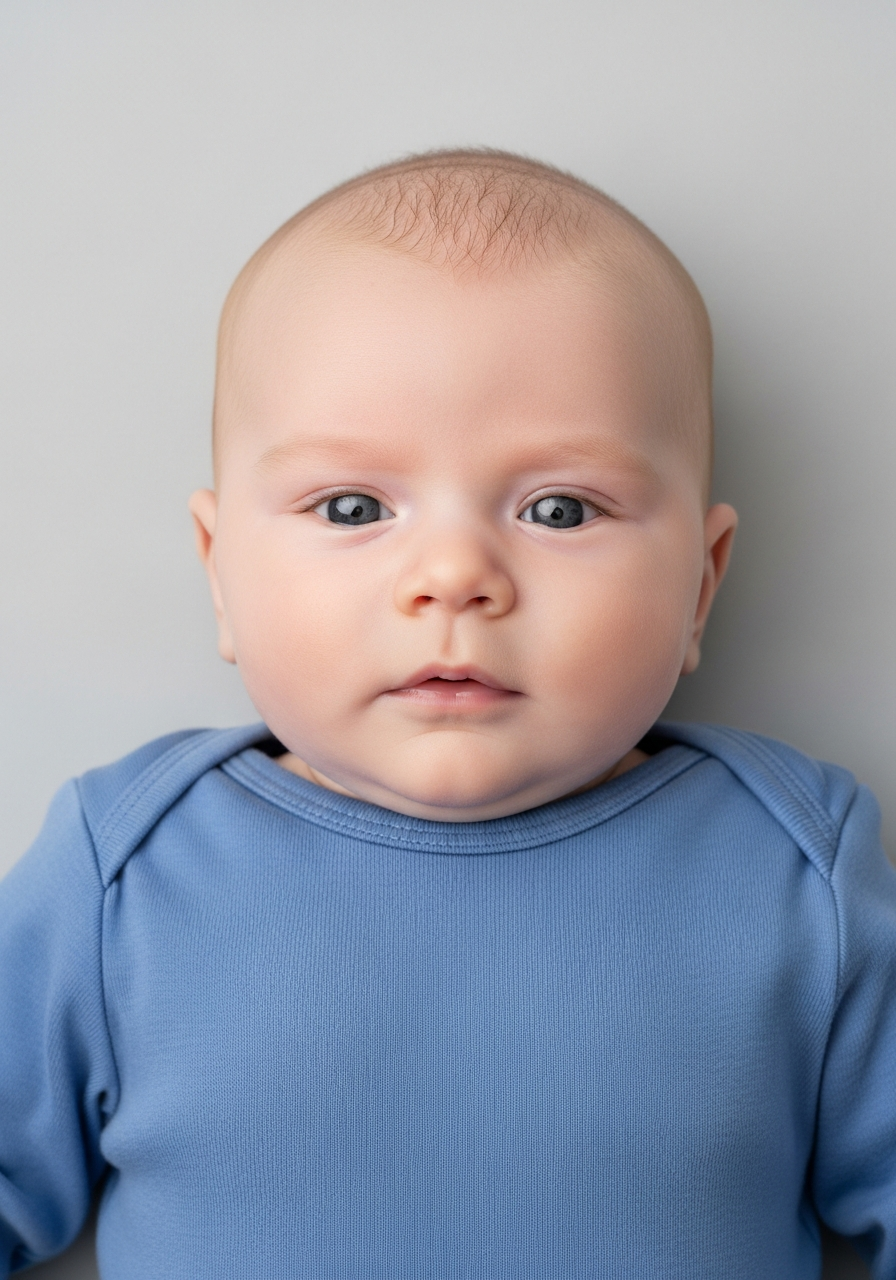
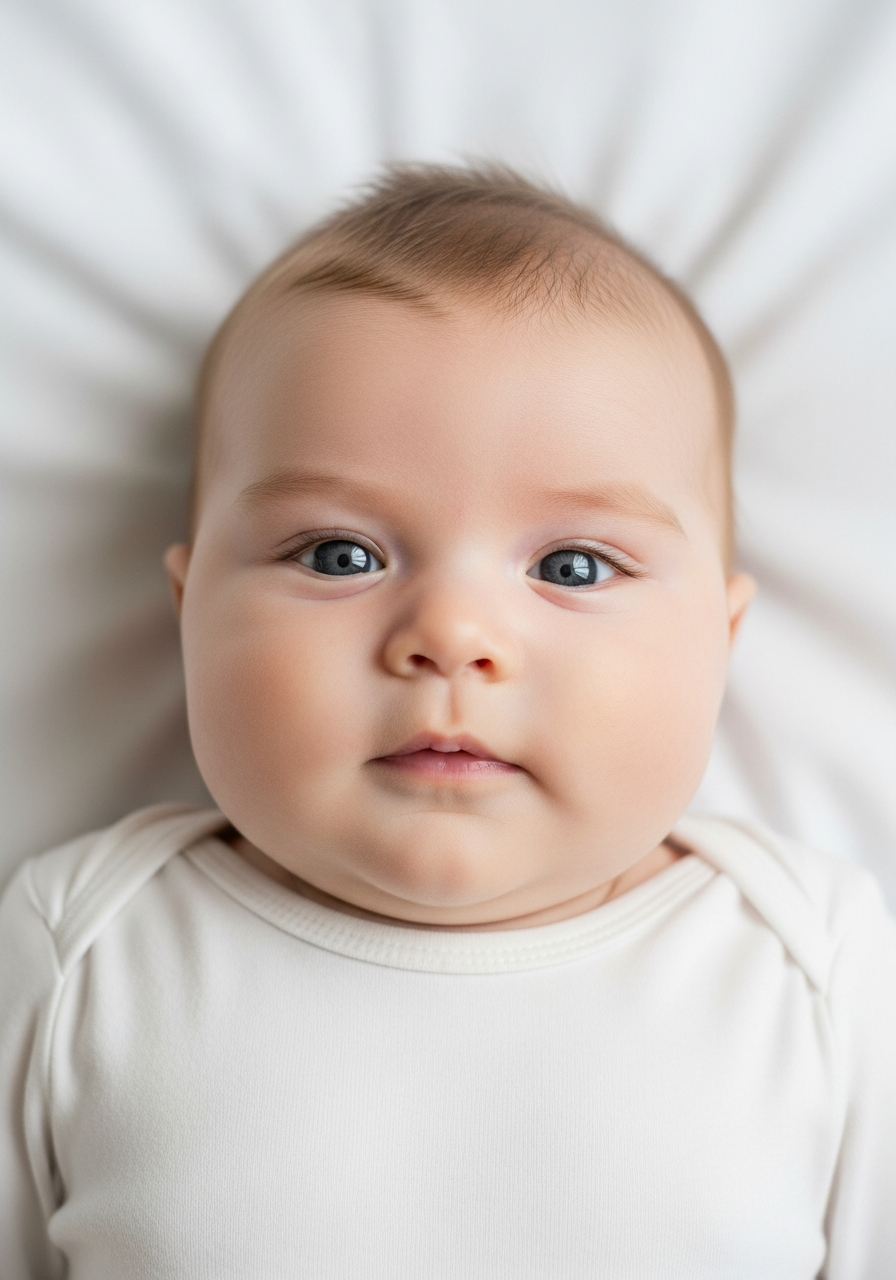
Drag to compare before vs after
Photo Specifications
Will my photo be accepted?
Size
900x1200 px
Lighting
No shadows
Focus
Sharp & clear
Background
Plain white
Head height
32–36 mm
Recency
Last 6 months
Online submission
Printable
How It Works
1. Upload Your Photo
Take a photo with your smartphone or webcam, or upload an existing image.
2. Image Processing
We remove the background, crop to exact specifications, and check against compliance.
3. Download & Print
Get your digital photo instantly, plus a print-ready PDF with cut guides.
DFAT understands that babies are unpredictable. Photo requirements for infants are significantly more relaxed than adult requirements — babies under 3 months can have closed eyes, infants under 3 years can have slightly open mouths, and slight head tilts are acceptable. What DFAT cares about is that your baby appears alone in the photo, their full face is visible, and the technical specifications (35×45mm, white background) are met. Australian baby passports also require the unique countersigning step.
Relaxed DFAT Requirements for Infants
What DFAT allows for infants under 3 months:
Eyes:
Can be closed or partially open. Explicitly permitted — newborns cannot control eye focus.
Expression:
Mouth can be slightly open — the natural resting expression for sleeping infants. No neutral expression required.
Head position:
Slight head tilts acceptable. Newborns cannot control their head position.
Baby's own hands:
Can be visible in the frame as long as they are below the shoulders and not covering the face.
What remains strict for all baby ages:
Baby must appear completely alone.:
No parent hands, no parent face in background, no one touching the baby anywhere in the frame. Even a fingertip at the edge causes rejection. This is the most common rejection reason.
No objects.:
No pacifiers, bottles, toys, blankets, or stuffed animals.
Background must be plain white.:
DFAT is stricter about white for baby photos than for adults — light grey is not recommended for baby photos.
Full face must be visible:
from chin to crown, with no obstruction.
Taken within the last 6 months.:
Babies change rapidly — take new photos if appearance has changed significantly.
The White Sheet Method
The white sheet method is explicitly recommended by DFAT and is the most reliable approach for photographing babies under 12 months.
Step 1:
Obtain a plain white bedsheet with no patterns or designs. Iron it completely flat — wrinkles create shadows that cause rejection.
Step 2:
Lay the sheet on the floor, a bed, or a flat surface. Position your baby on their back on the sheet.
Step 3:
Position yourself or a camera directly above the baby, looking straight down at their face. The white sheet fills the background completely.
Step 4:
Use natural window light or even indoor lighting. Avoid flash — it creates harsh shadows and red-eye. Even, shadow-free illumination is key.
Step 5:
The baby is completely alone in the frame. You are positioned above the camera, not in the frame.
Step 6:
Take 5–10 photos and choose the best — eyes open if possible, face centered, lighting even.
This works because it aligns with how babies naturally rest. No struggling to sit up, no holding them in uncomfortable positions. DFAT accommodates this by allowing relaxed eyes and expression for infants.
Age-by-Age Guide
Newborns to 3 months:
Eyes can be closed, expression relaxed, head tilt acceptable. White sheet method ideal. Plan sessions 30–60 minutes after feeding when baby is calm. Expect 10–20 attempts.
3–6 months:
More predictable alert periods, slightly better head control. White sheet method still works well. Babies often track the camera, making eye contact more likely.
6–12 months:
Sitting independently or nearly so. More positioning flexibility. Special infant accommodations still apply under 12 months.
1–3 years (toddlers):
Requirements become stricter — eyes must be open, face the camera, neutral expression preferred (natural smiles acceptable). Second adult positioned outside frame helps keep attention. Photograph during natural energy peaks.
3–5 years:
Can cooperate with traditional portrait photography. Requirements approaching adult standards. Many parents use professional portrait studios.
5+ years:
Full adult DFAT requirements apply. Eyes open, neutral expression, head straight, full frontal view.
The Countersigning Requirement for Baby Passports
Like all Australian passports, one of your two baby passport photos must be countersigned on the back by an Australian citizen aged 18+ who has known your baby for at least 12 months.
Who can countersign for your baby:
Grandparents, extended family members involved in the baby's life, friends who've known the baby since birth, members of community groups (playgroups, childcare centres). Cannot be a close relative living at your same address.
What they write:
"I certify that this is a true likeness of [baby's full name]" followed by their printed name, signature, date, occupation, phone number, and residential address.
Planning ahead:
For newborns, this can be challenging — the countersignatory must have known your baby for 12 months. If you're applying early, identify a grandparent or close family friend who has been involved since birth. Don't delay your application waiting for this step.
Common Baby Photo Rejection Reasons
Parent hands visible (35% of baby rejections):
Most common reason. Even a fingertip at the frame edge causes rejection. White sheet method eliminates this entirely — the baby rests naturally without support.
Shadows on background (20% of rejections):
Wrinkles in the sheet, harsh lighting, or baby casting shadows. Iron the sheet flat, use even shadow-free lighting.
Objects in frame (18% of rejections):
Pacifiers, bottles, toys, blankets. Remove everything except baby and white background.
Face not fully visible (15% of rejections):
Hair covering eyes, blankets covering part of head. Full face from chin to crown must be completely visible.
Background not plain white (12% of rejections):
DFAT prefers white (not light grey) for baby photos. Off-white or cream causes rejection. Use a plain white sheet or white wall.
Other Australia Document Photos
How to Prepare Yourself
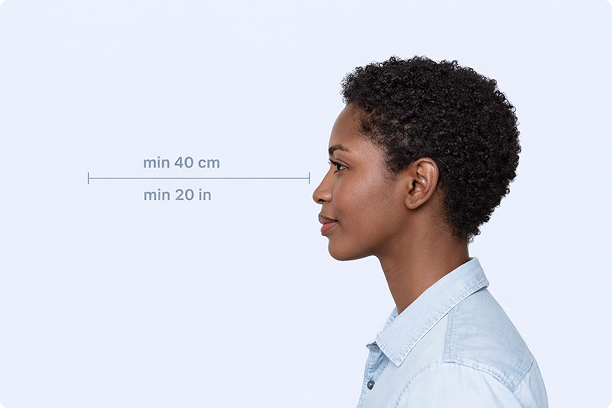
Correct Distance
Hold your camera at arm's length (40cm/20in minimum) for the best results
_1768770085753-BWkNoFUp.jpg)
Face The Camera
Look straight at the camera with a neutral expression and eyes open
Even Lighting
Use natural light or soft indoor lighting to avoid shadows on your face
What You Get
Digital Photo
High-resolution JPEG for online applications
Print-Ready PDF
4x6 inch PDF with multiple copies and cut guides
Acceptance Guarantee
Full refund if your photo is rejected
Why Choose PassportApp?
Ready in 30 Seconds
Fast AI processing delivers your photo instantly.
Money Back Guarantee
Full refund if your application is rejected due to the photo.
Compliance Verified
Each photo is checked against official requirements.