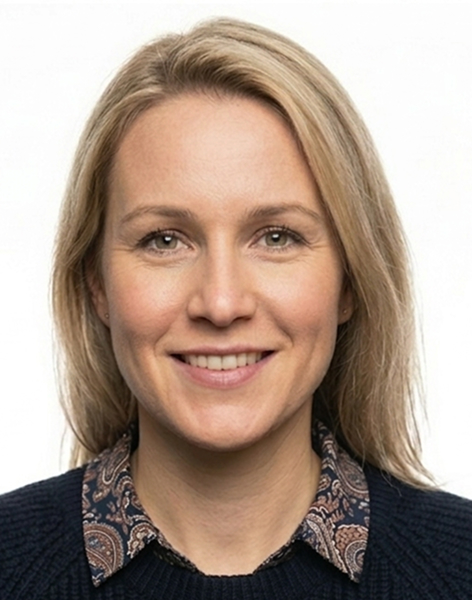
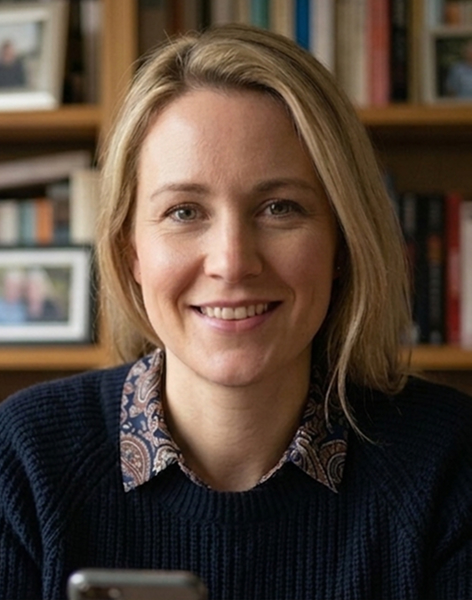
Can You Smile in an Australian Passport Photo?
In general, Australian passport photos should show a neutral facial expression.
This means:
- Lips gently closed (no teeth showing)
- Eyes open and visible
- No exaggerated upward or downward mouth curves
A slight natural expression is often acceptable, but anything that significantly changes facial geometry (e.g., a broad smile) can cause automated rejection.
Why Neutral Expression Matters for Biometric Identity
Passport photos are analysed using biometric facial recognition systems. These systems rely on consistent measurements of:
- Distance between eyes
- Width and height of facial features
- Shape of nose, mouth, and jawline
A broad smile alters these measurable traits. Even if the photo “looks nice”, it may not meet biometric criteria used by DFAT’s systems.
What Counts as an Acceptable Expression?
The safest expressions include:
- Neutral face with mouth closed
- Slight, relaxed expression without teeth
- Relaxed eyes
Expressions that are too serious or forced can also break biometric matching, so the goal is clear and natural, not emotional.
Why Smiling With Teeth Is Not Recommended
Smiling with teeth changes the distances between key facial landmarks.
Biometric systems expect stable, predictable geometry.
A photo with teeth visible can be:
- Misaligned horizontally due to lip shape
- Harder to match in databases
- Flagged as non-compliant in automated checks
Slight Expression vs Broad Smile: What’s the Difference?
A slight expression means:
- Lips relaxed and gently together
- Minimal muscle movement around the mouth
A broad smile means:
- Teeth visible
- Mouth corners sharply raised
- Wrinkling near eyes
Even subtle head angle or eyebrow raises can alter automated facial matching, so keep your face as neutral as possible.
Baby and Child Passport Photo Expression Rules
Children and infants may not hold a neutral expression by command.
For baby passport photos:
- Aim for eyes visible
- No props, supports or objects in frame
- A slightly non-neutral expression is usually tolerated
However, background, lighting, and framing rules still apply strictly.
Glasses and Expression Interaction
If you wear glasses, expression rules interact with reflection rules:
- Smiling can cause shifts in lighting and glare
- Changes in eye sockets can affect how light reflects
If glasses are worn, aim for:
- Eyes fully visible
- Minimal facial movement
Better yet, remove glasses for the photo if possible.
Common Expression Mistakes That Trigger Rejection
These common issues often cause problems:
- Teeth showing
- Wide grin or laugh
- Eyebrow raise at the peak of a smile
- Tilted head that accompanies the expression
Even slight variations can disrupt how the biometric system maps facial landmarks.
How to Practice a Neutral Expression
Use these tips:
1) Relax your jaw gently 2) Close lips together lightly (don’t press) 3) Breathe out slowly (reduces tension) 4) Keep eyebrows relaxed 5) Look directly at the camera lens (not the screen)
Avoid clenching your jaw or forcing a stiff look.
How Our Checker Evaluates Expression Compliance
Our Australian passport photo checker analyses expression by examining:
- Mouth openness
- Facial muscle tension
- Change in natural geometry
- Eye symmetry
If the expression falls outside tolerance, the checker will flag it and show exactly what needs adjusting.
Why Expression Alone Can Cause Rejection
Even when background, size, and lighting are perfect, expression can cause rejection because:
- Biometrics detect subtle distortions
- Match rates drop with non-neutral features
- Manual reviewers default to automated rejection cues
This is why expression rules matter even when the photo “looks fine” to the human eye.
Official Authority and External References
Australian passport photo expression guidelines:
Official passport photo requirements
Home Affairs supporting document guidance:
Supporting documents for Australian passport and visa applications
Ready to create your passport photo?
Get a compliant passport photo in minutes. AI-verified. 100% acceptance guarantee or your money back.
Why Choose PassportApp?
Ready in 2 Minutes
AI processing delivers your compliant photo instantly — no booth queues.
Money Back Guarantee
Full refund if your application is rejected due to the photo.
Compliance Verified
Every photo is checked against official requirements before download.
Frequently Asked Questions
Only a neutral, relaxed expression is recommended. Broad smiles showing teeth can cause biometric mismatches.
Yes — a neutral expression with relaxed features is best for biometric systems.
Infants and young children may not have perfectly neutral expressions, and small variations are usually tolerated.
Biometric systems depend on predictable facial geometry, which is distorted by exaggerated expressions.
Use an Australian passport photo checker to validate expression before submitting.
Related Tools
Official Resources
Need help with your passport photo?
Use our free tools to check if your photo meets Australia requirements, find photo booths near you, or set up renewal reminders.